Nothing is Designed in a Vacuum
"Can an object ever exist independently of the stories that shaped it?"
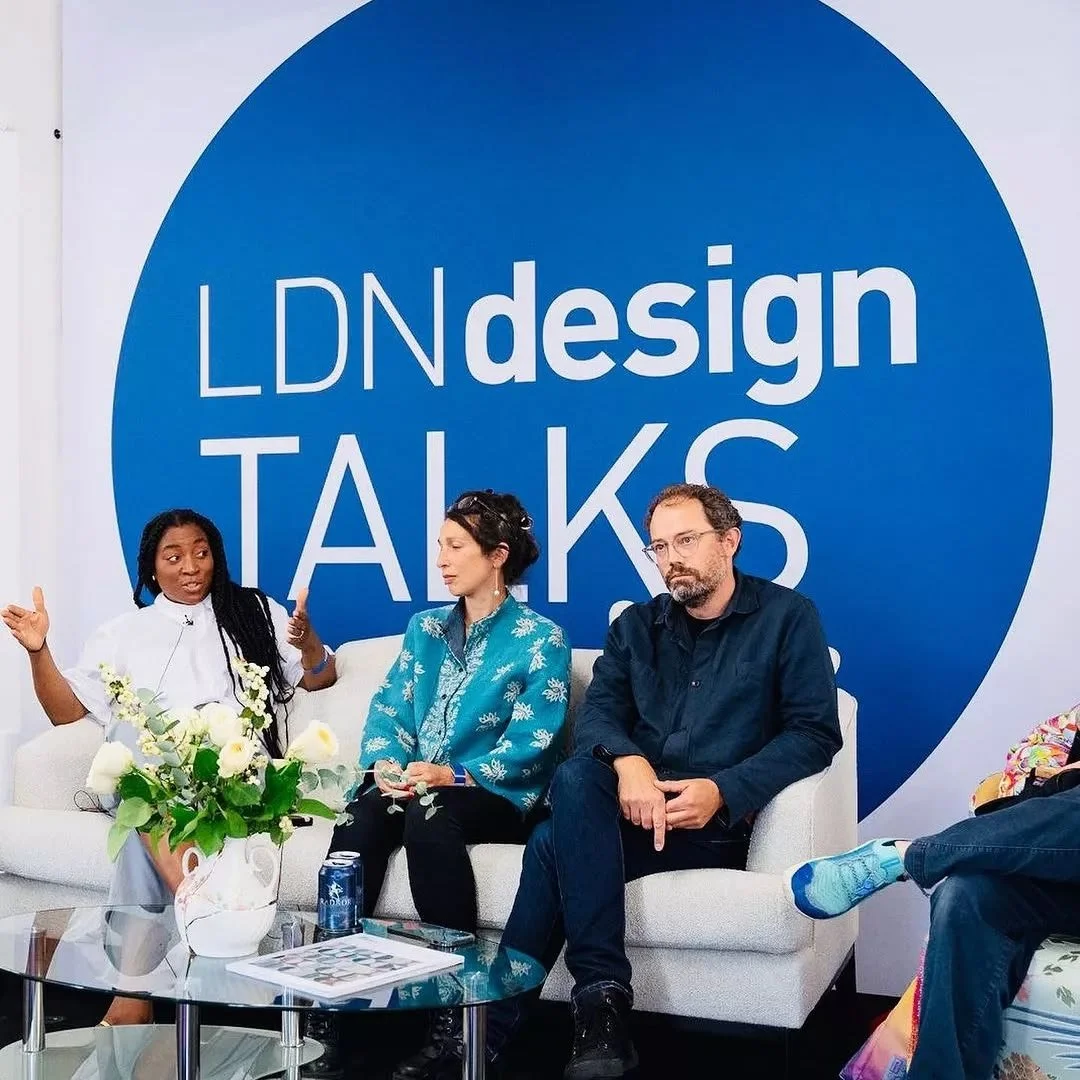
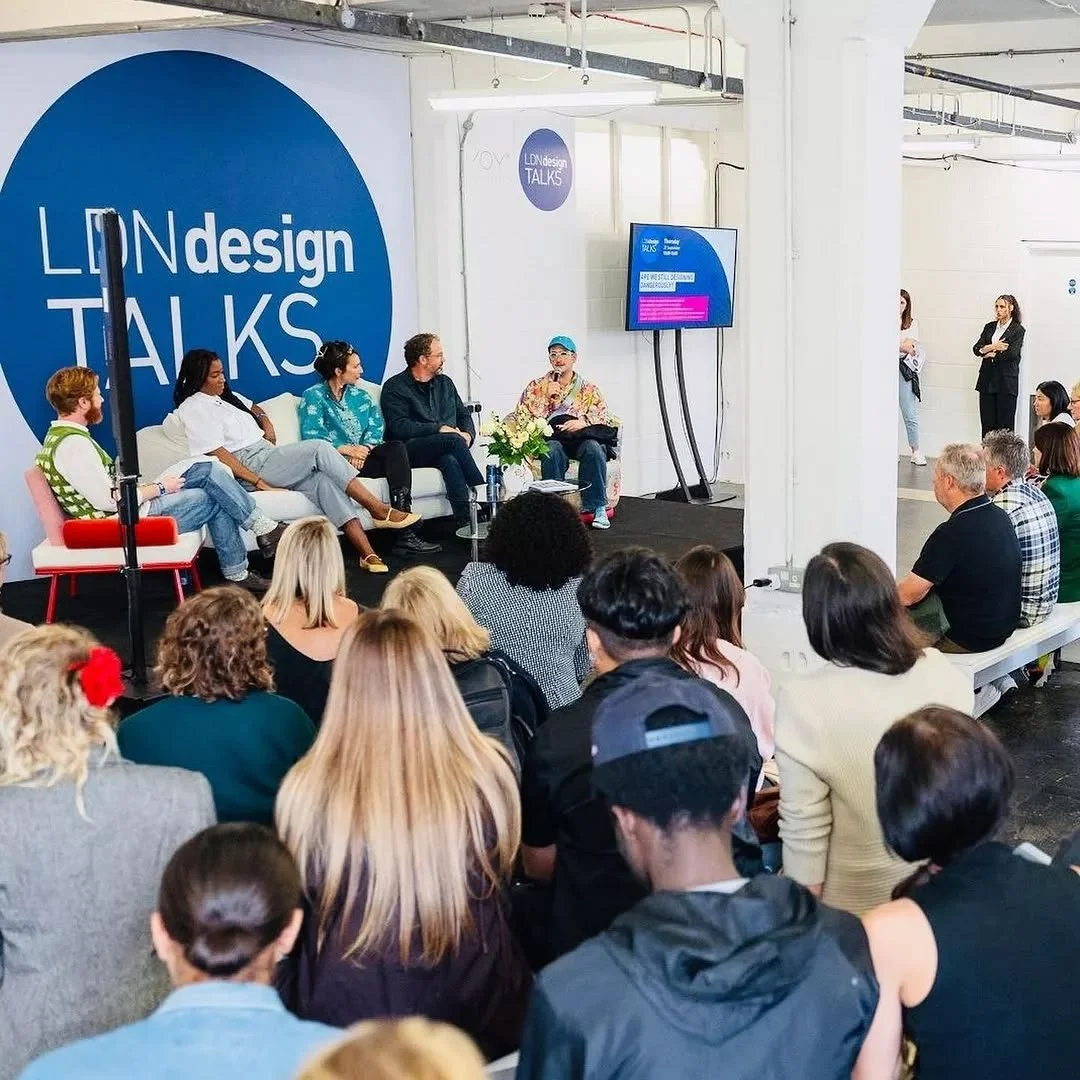
A few years ago, I joined a panel at the London Design Fair to discuss a question that feels no less relevant today: Are we still designing dangerously?
The conversation, chaired by Mix Interiors editor Harry McKinley, brought together designers and architects from very different disciplines. Sustainability was, inevitably, part of the discussion. But what stayed with me wasn't simply the question of environmental responsibility. It was the way we so often separate objects from the wider systems that produce them.
Design is frequently presented as though it emerges from nowhere—as if an object exists independently of the histories, communities, materials and relationships that give it meaning. Yet nothing is ever made in isolation.
Throughout my own practice I've become increasingly interested in the stories embedded within objects. Where materials come from. What they have witnessed. Whose hands have shaped them. What cultural knowledge they carry. These questions are as important to me as form or function.
The discussion also turned to authorship. We often celebrate the idea of the singular creative genius, but making has always been collaborative. Every object exists because of an ecosystem of makers, manufacturers, craftspeople, engineers and communities. Even the ideas themselves are rarely ours alone; they are shaped by countless conversations, histories and lived experiences.
As artificial intelligence becomes increasingly capable of generating images and objects, I find myself returning to these questions more often. Perhaps what will distinguish meaningful work in the future is not simply how it looks, but the depth of understanding, care and cultural memory embedded within it.
Design has never existed in a vacuum.
Neither have we.